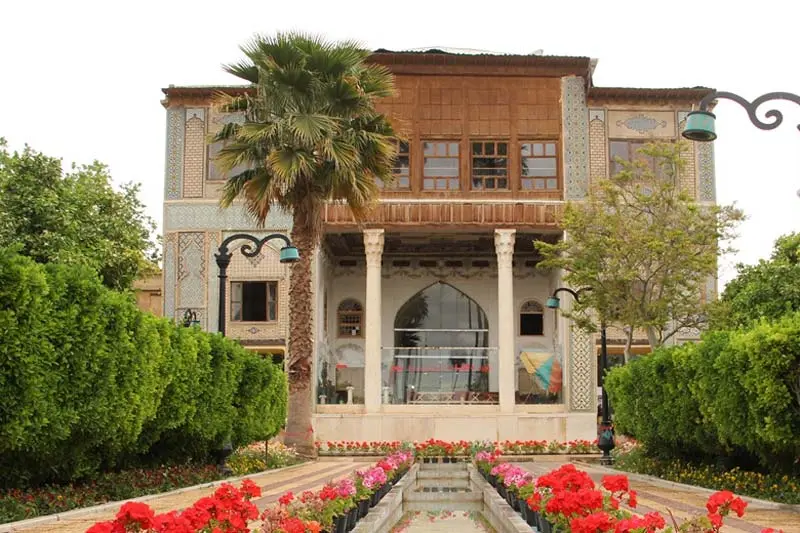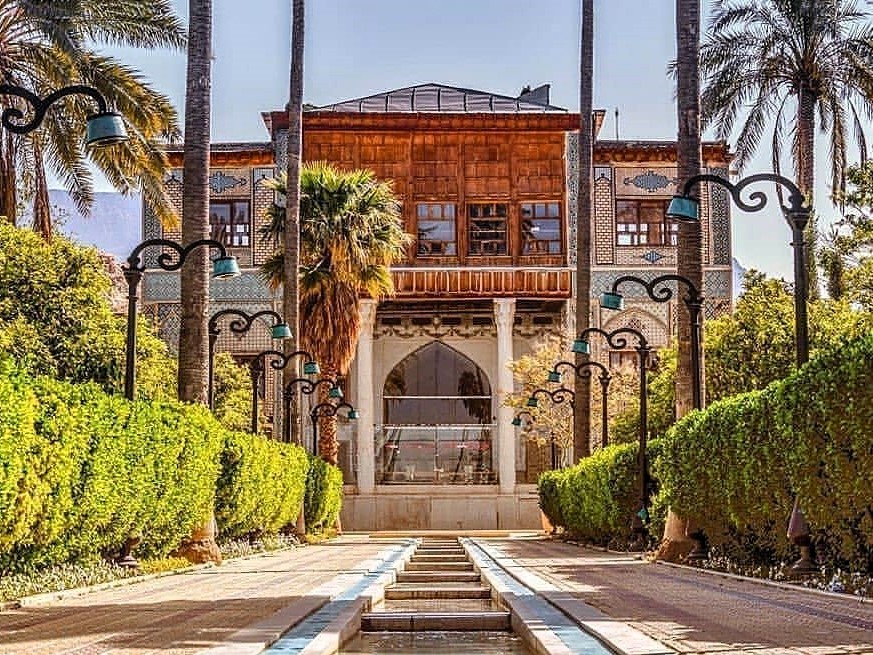
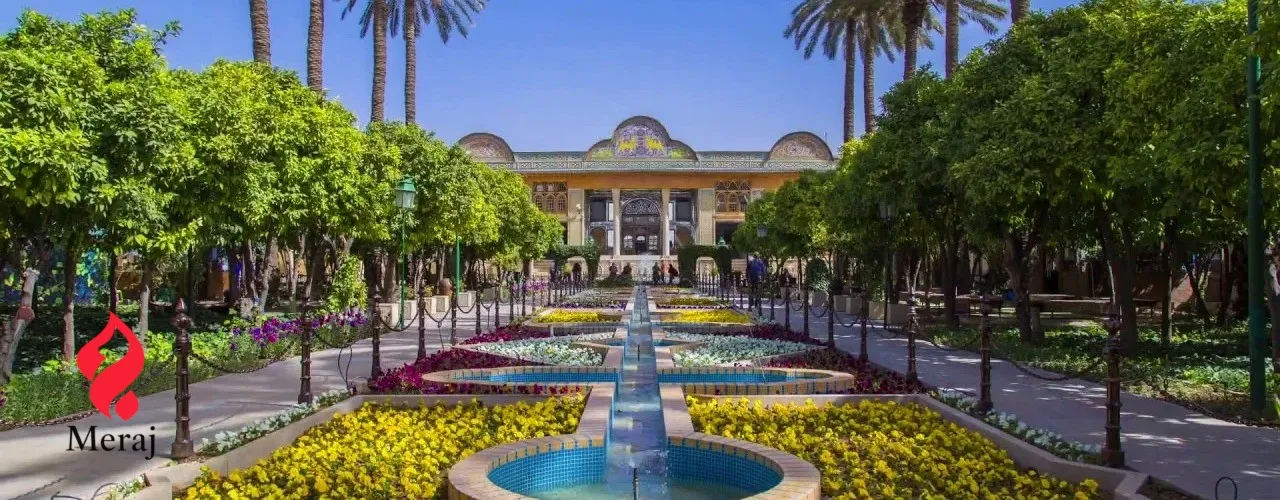
An elegant profile of Shiraz’s historic Delgosha Garden its Sasanian roots, Safavid and Zand revivals, famed orange blossoms, and today’s museum showcasing rare artifacts.
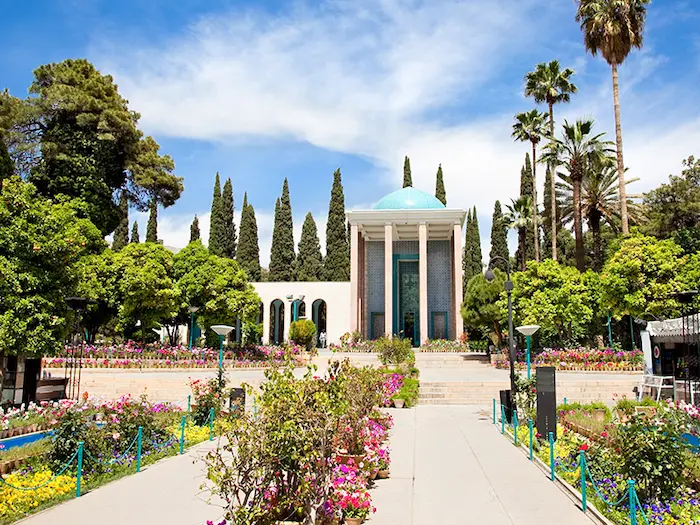
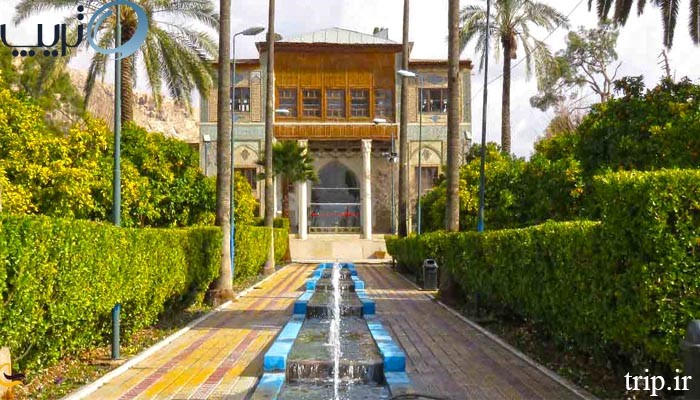
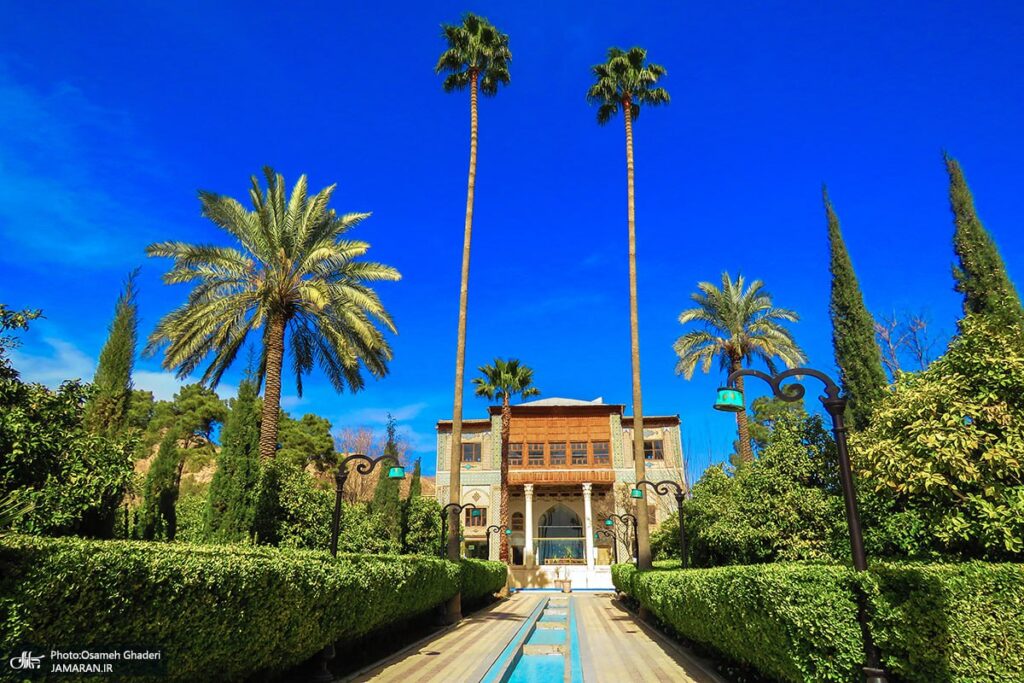
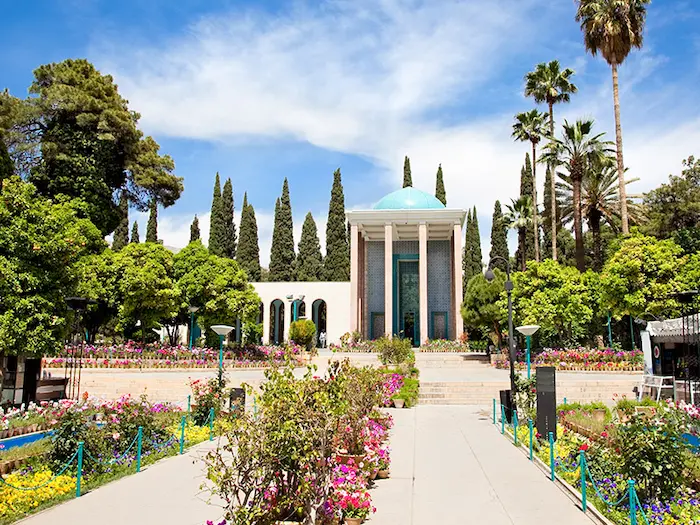
Delgosha Garden, one of Shiraz’s most cherished historical gardens, lies a short walk from the mausoleum of the great Persian poet Saadi. Sources trace its origins to the Sasanian era, with major flourishing under the Safavids and later restorations during the Zand period. In the Qajar era, refined pavilions reflecting authentic Persian architectural arts were added, enhancing the ensemble’s symmetry of water, vegetation, and built form.
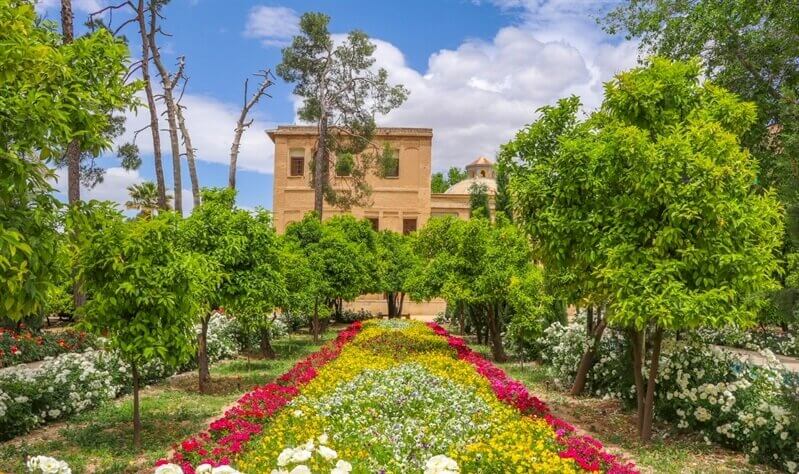
Long celebrated for its fragrant sour-orange (neroli) groves, the garden becomes a sensory landmark each spring when residents gather blossoms to dry or distill into floral water used in culinary and traditional remedies.
Delgosha’s prestige echoed beyond Iran: when Timur ruled Fars, he was so taken by the garden that he commissioned a similarly styled “Delgosha” in Samarkand. Although the Shiraz garden suffered damage between the late Afsharid period and the rise of the Zand dynasty, Karim Khan Zand oversaw a revival that restored much of its former splendor.
Today, the principal heritage building inside the complex serves as a museum. Its collection spans eras from pre-Achaemenid times through the Seljuk, Safavid, and Qajar periods. Highlights include a rare Quran manuscript on deerskin dating to the Seljuk era, historical coins, stamps, and maps of Iran, as well as an engaging gallery of early radios among them a unique oil-powered set made in a distinctive Indian style.
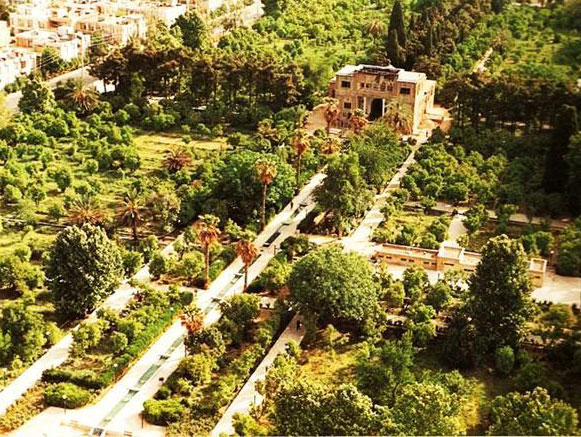
Set against the eastern Alborz foothills and surrounded by citrus, palms, fountains, and flowerbeds, Delgosha Garden remains a living testament to the continuity of Persian garden design where shade, scent, water, and architecture cohere into a serene urban refuge.