
Researchers at the University of Tehran have introduced an AI-driven Hip Osteoarthritis Index (HOI) that uses gait analysis to more accurately assess disease severity, track progression, and evaluate treatment outcomes beyond traditional X-ray methods.
A research team from the School of Electrical and Computer Engineering at the University of Tehran has developed an innovative artificial intelligence-based indicator, called the Hip Osteoarthritis Index (HOI), designed to provide continuous, accurate, and interpretable assessment of hip osteoarthritis through gait analysis.
The new index offers a practical solution to several limitations of conventional diagnostic tools, particularly radiographic imaging and categorical grading systems such as the Kellgren–Lawrence (KL) scale. While X-rays remain widely used, they often fail to fully capture functional impairment, may overlook patients at high risk in early stages, and rely heavily on specialist interpretation, which can introduce variability.
Dr. Rezvan Nasiri, faculty member at the School of Electrical and Computer Engineering, explained that age, obesity, genetics, sedentary lifestyle, and heavy physical work are key risk factors for osteoarthritis, and that abnormalities in gait patterns can significantly increase the likelihood of developing or worsening the disease. She emphasized that monitoring gait is essential for early diagnosis, evaluating disease progression, and measuring the effectiveness of treatment.
To address the need for a continuous and clinically meaningful metric, the research team analyzed kinematic data from the hip and knee joints, extracted key gait features, and employed a linear Support Vector Machine (Linear SVM) model to identify the most discriminative feature pairs. The resulting HOI model was able to:
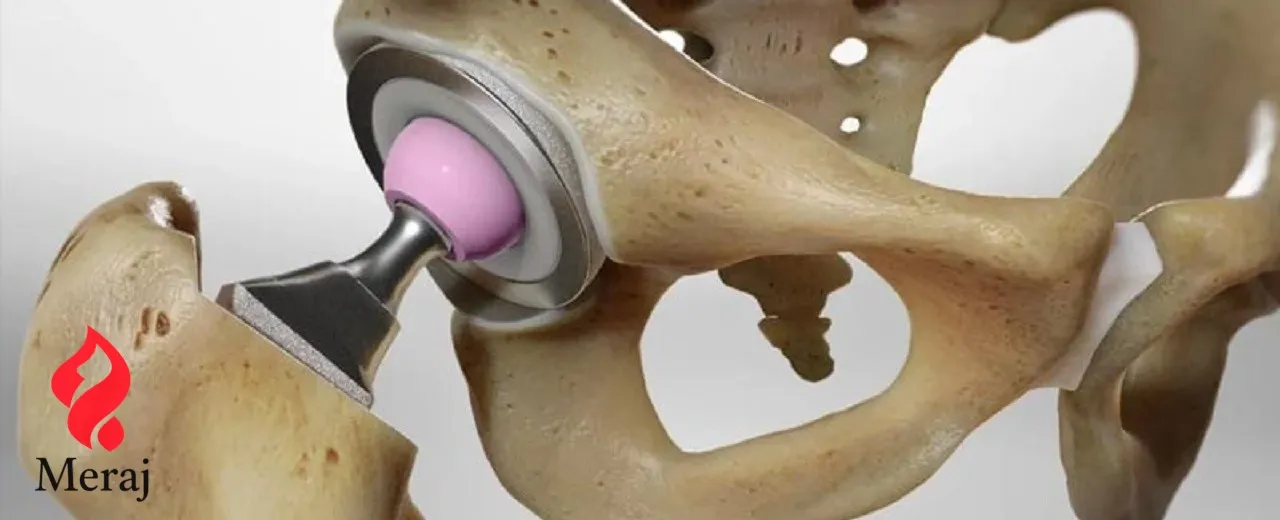
Findings also showed that, following hip replacement surgery, the HOI values for the affected limb improved across all examined groups, approaching patterns seen in healthy gait, and that symmetry between both legs was largely restored — indicating the index’s sensitivity to functional recovery.
According to the researchers, comparisons with more complex machine learning models such as MLP and RNN demonstrated that the proposed linear model, together with the selected features, delivers strong performance while remaining interpretable for clinical use. This makes the HOI a promising tool for continuous monitoring of hip osteoarthritis and evaluation of treatment outcomes in both clinical and non-clinical environments.