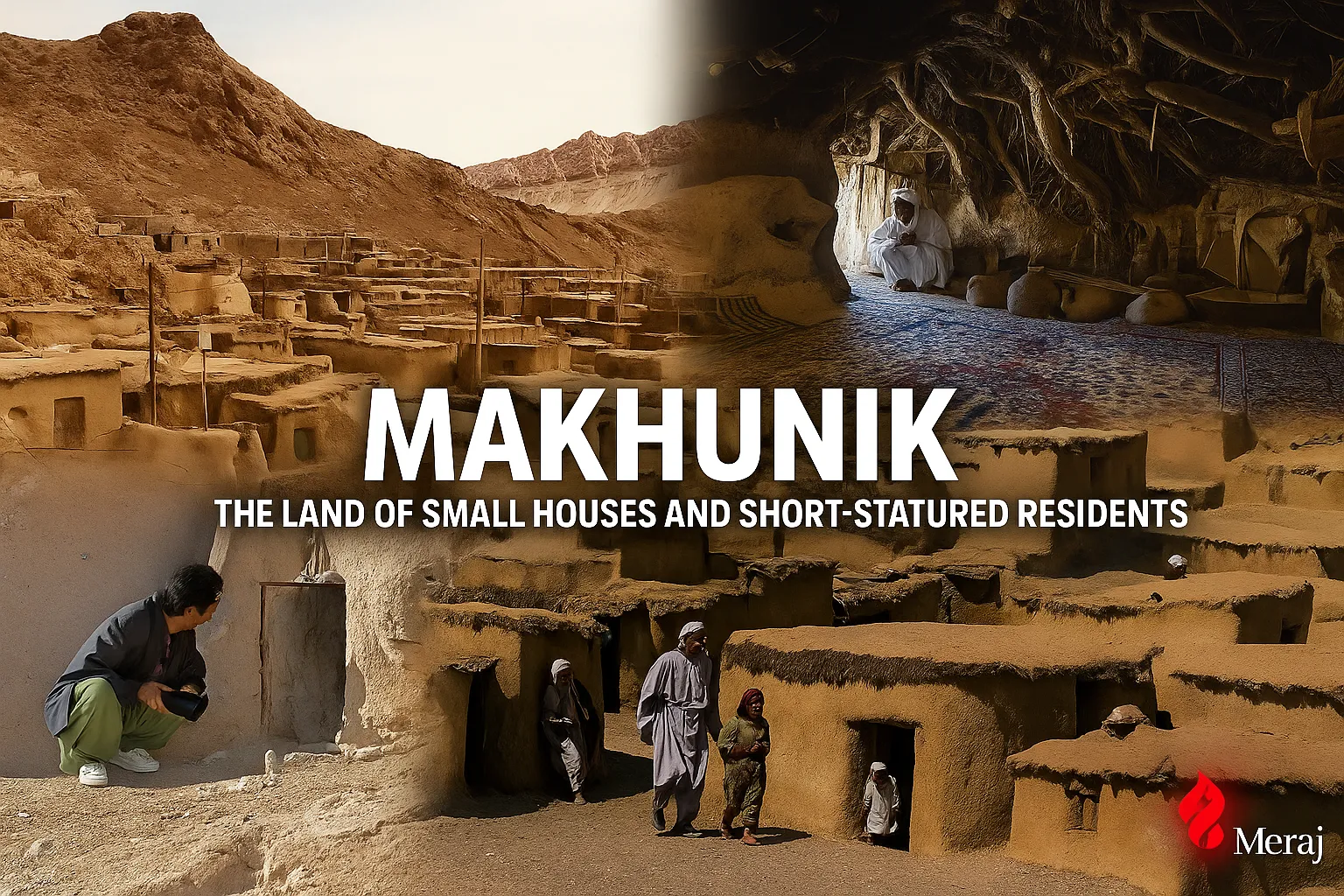
Makhunik, one of Iran’s most unusual villages, is known for its tiny houses and the short-statured community that lived there for centuries before modern life gradually transformed the area.
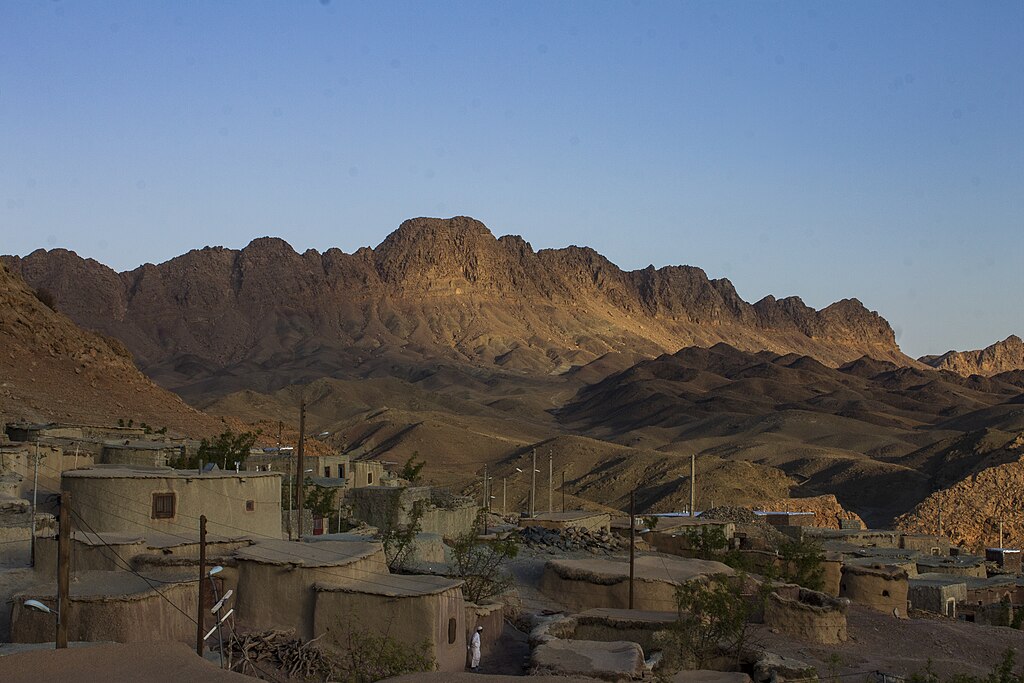
Located in South Khorasan Province in eastern Iran, roughly 130 kilometres from Birjand and about 35 kilometres from the Afghan border, the village of Makhunik has long been famous for the prevalence of short stature among its former residents, earning it the nickname “the Village of Dwarfs.”
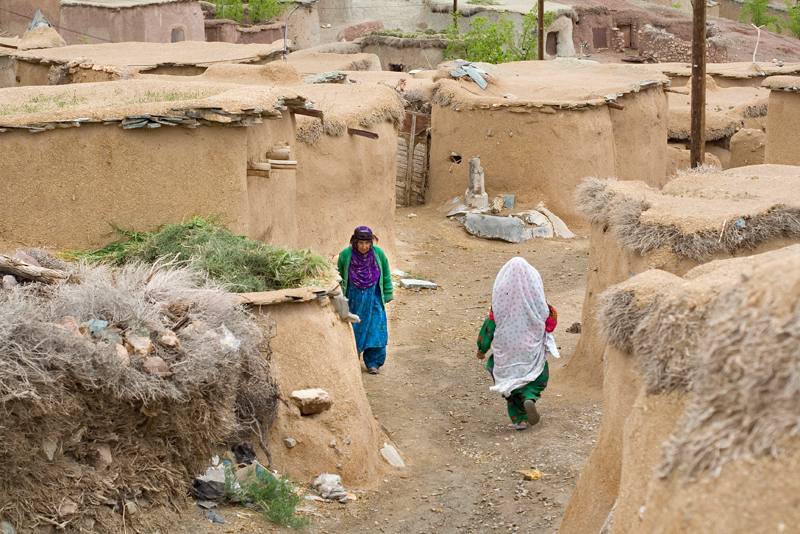
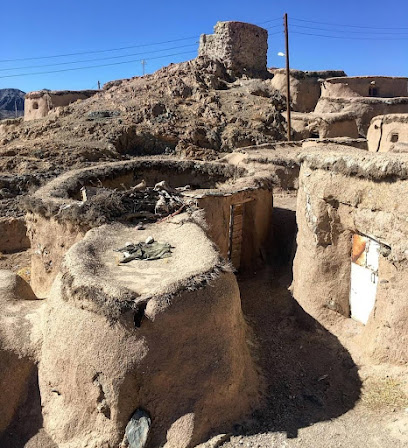
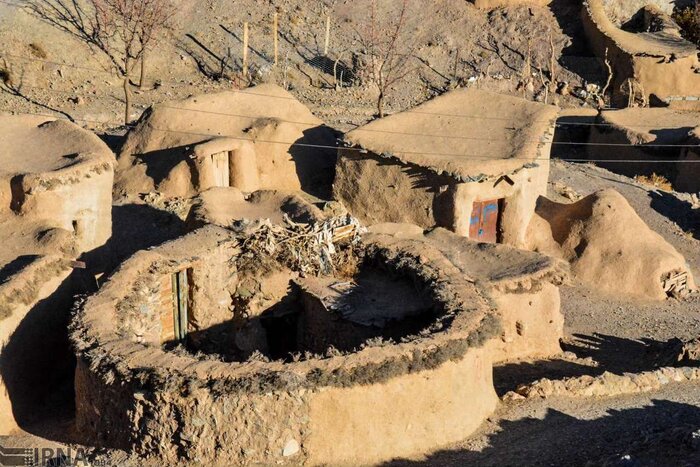
Although the origins of the settlement date back thousands of years, the current population traces its roots to around 400 years ago, when the Ahmad Khan tribe migrated from Afghanistan to escape invasions and settled in this mountainous region. Despite the harsh landscape, limited water resources and lack of farmland, villagers built small houses no higher than two metres, using stone, mud, and wood.
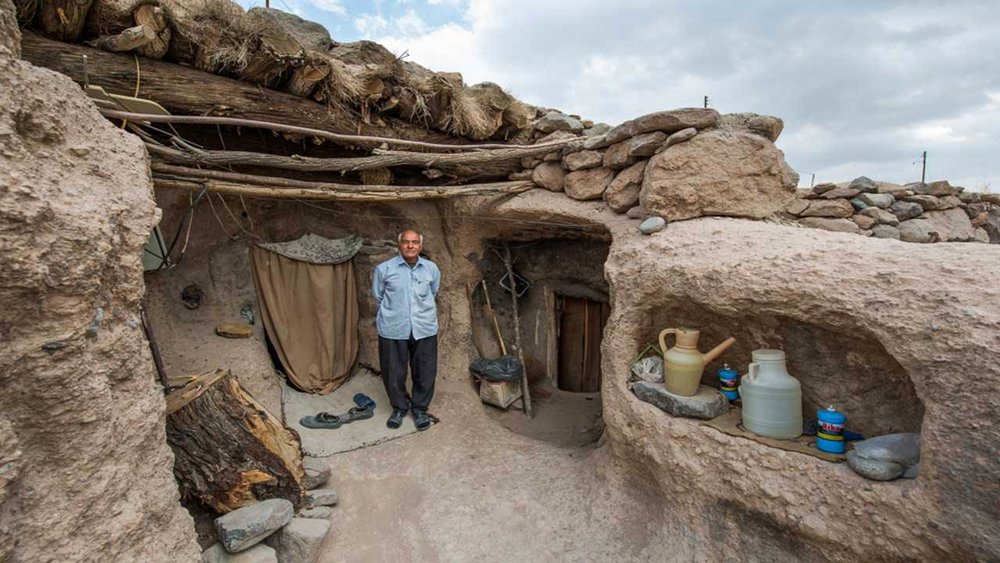
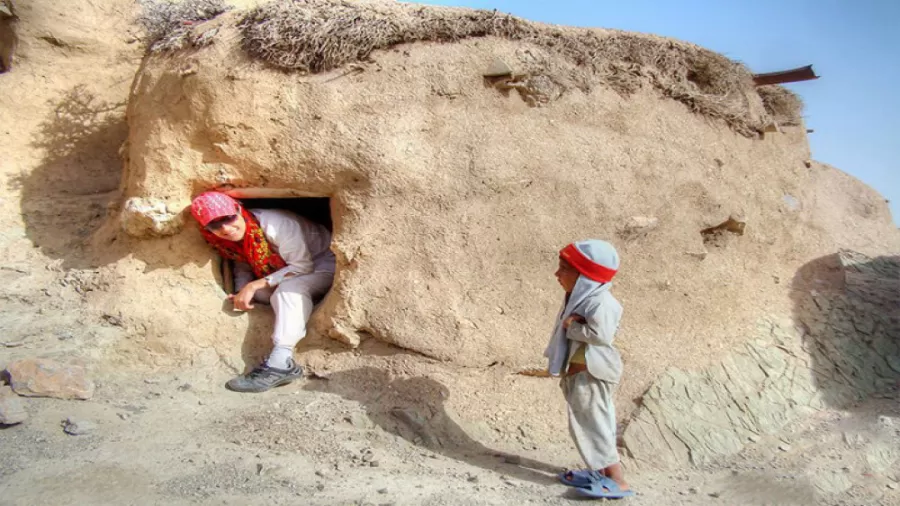
Makhunik’s houses are characterised by doors only 50–70 centimetres tall, requiring anyone entering to bend significantly. Each home also features a small window about the size of a hand to retain heat during the cold winters. The structures typically consist of three rooms: a kitchen, a storage space, and a communal living area shared by the entire family.
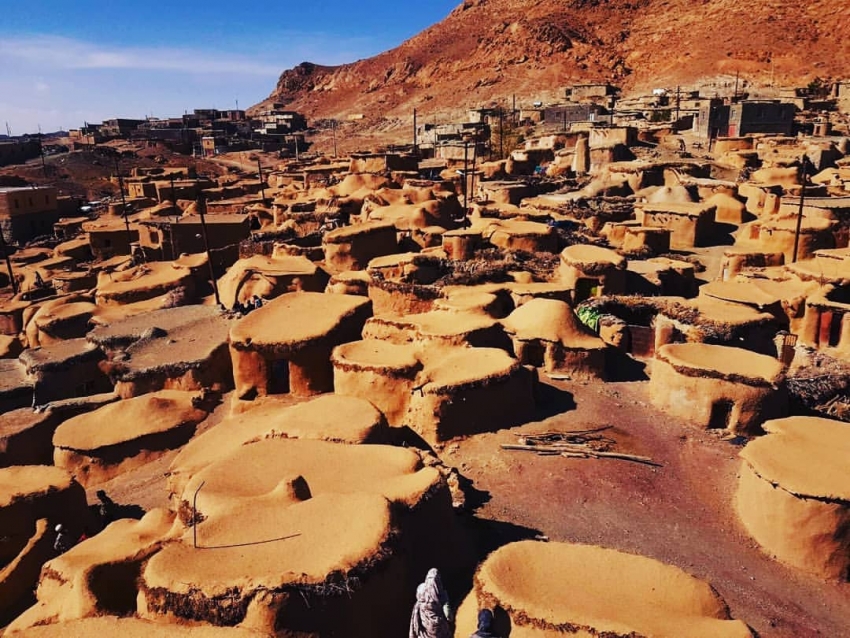
The village contains around 200 houses, of which nearly 80 are extremely low in height, making it impossible for visitors to enter without stooping. Researchers later associated the widespread “dwarfism” seen in the village with factors such as intermarriage, poor nutrition, and mercury-contaminated water. Traditionally, residents relied on simple foods including turnips, barley, dairy products, and wild pistachios found in the nearby mountains.
By the mid-20th century, the construction of roads and the arrival of vehicles brought new food supplies, improving the general health of newborns and gradually eliminating the short-stature phenomenon. As living conditions improved, villagers began constructing modern brick-and-mortar houses outside the historical core of Makhunik.
The small architectural scale of the old houses also reflected the villagers’ limited resources, lack of skilled labour, and the cold climate, which made compact homes easier to heat. A cave located three kilometres from the village once served as a quarantine site, where sick individuals were isolated to prevent the spread of illness.
Today, Makhunik has an estimated population of around 700 residents. Some work in mining or livestock breeding in neighbouring cities, while many women engage in carpet weaving. Despite the development of modern homes around it, the old village has preserved its traditional alleyways and heritage architecture.