
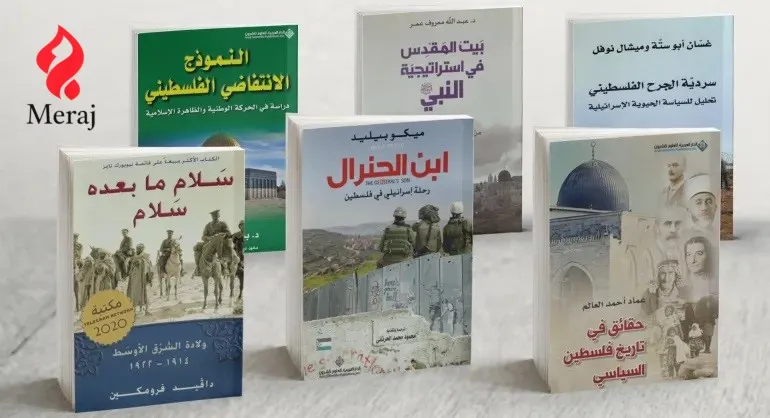
A curated overview of six key books that document the historical roots of the Zionist project, British and Western colonial policies, and the lived reality of Palestinian dispossession and resistance from the early 20th century to today.
The political history of Palestine and the fate of its people have been closely tied to the interests of major powers since the early 20th century particularly during the British Mandate that followed World War I and culminated in the establishment of the so-called State of Israel in 1948 and the ensuing Nakba. In this context, a new feature highlights six key Arabic and translated works that help readers understand how the Zionist project was built at the expense of the Palestinian people, and how colonial policies shaped the region.
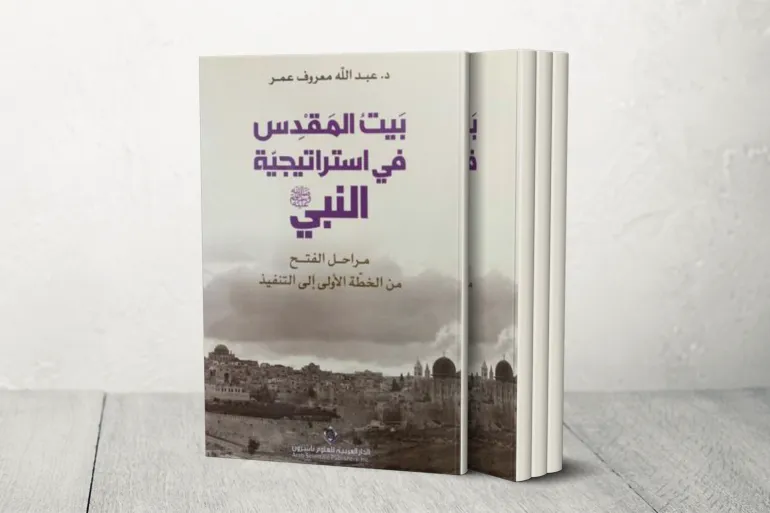
The book “Fath Bayt al-Maqdis: A Prophetic Strategic Vision” by Abdullah Ma‘ruf ‘Umar examines the deep-rooted connection between Islam and Jerusalem. It argues that the conquest of Jerusalem under Caliph ‘Umar ibn al-Khattab was not an accident of history but part of an early, conscious vision centered on the sanctity of al-Aqsa Mosque and the city’s central place in the Muslim worldview.
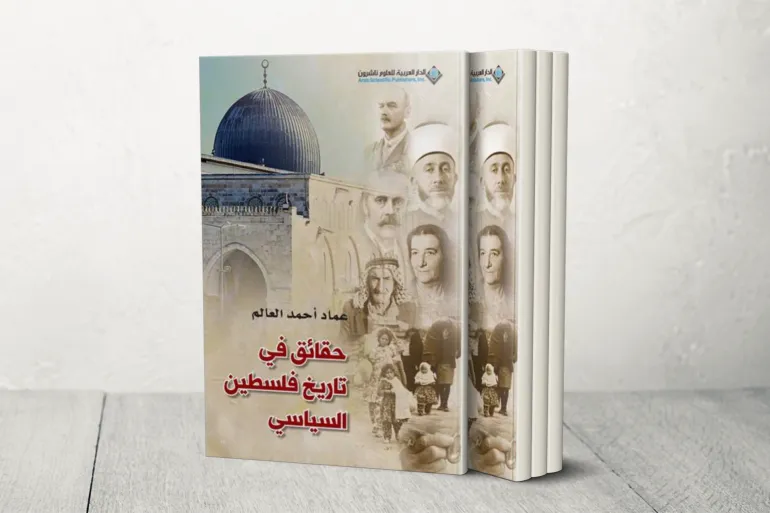
In “Facts in the Political History of Palestine”, Palestinian author Imad Ahmad Al-‘Alam presents a documented overview of the Palestinian question from the rise of political Zionism in the late 19th century, through Western–Zionist alliances that produced Sykes–Picot (1916) and the Balfour Declaration (1917), up to the 1948 Nakba. The book underscores the systematic targeting of Palestine and recalls the historic refusal of Ottoman Sultan Abdulhamid II to sell Palestinian land to Zionist leaders despite intense pressure.
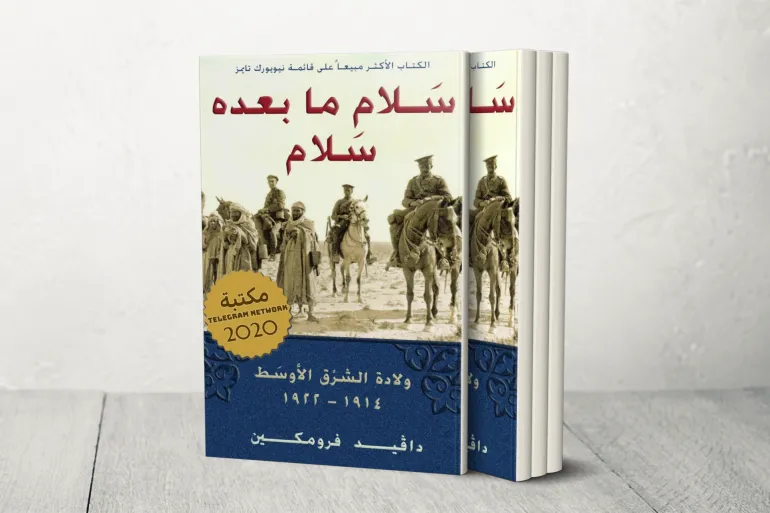
American historian David Fromkin’s “A Peace to End All Peace: The Fall of the Ottoman Empire and the Creation of the Modern Middle East” explains how Britain and other great powers redrew the map of the region between 1914 and 1922, using mandates and secret agreements to entrench their dominance and endorse a “national home for the Jewish people” in Palestine as part of their strategic calculations.
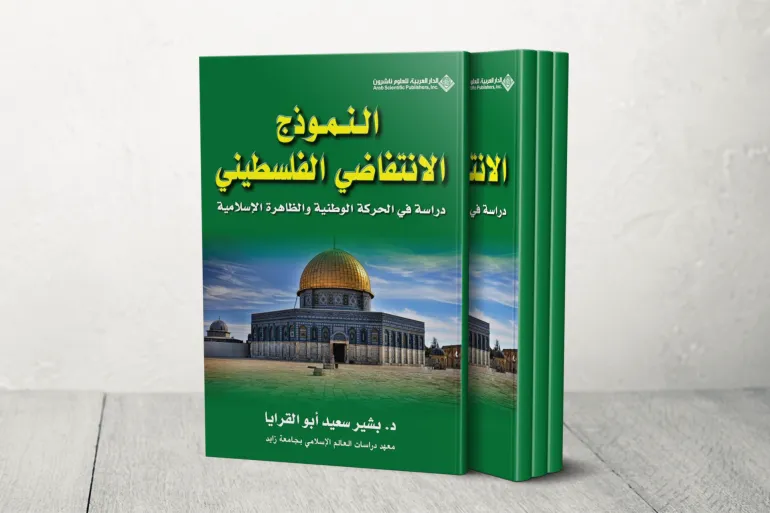
In “The Palestinian Intifada Model”, Bashir Saeed Abu Al-Qaraya offers a comprehensive study of Palestinian resistance, tracing successive uprisings and popular movements from early protests under Ottoman and British rule to the First Intifada (1987) and Al-Aqsa Intifada (2000) as a continuous expression of refusal to accept settler colonialism and dispossession.
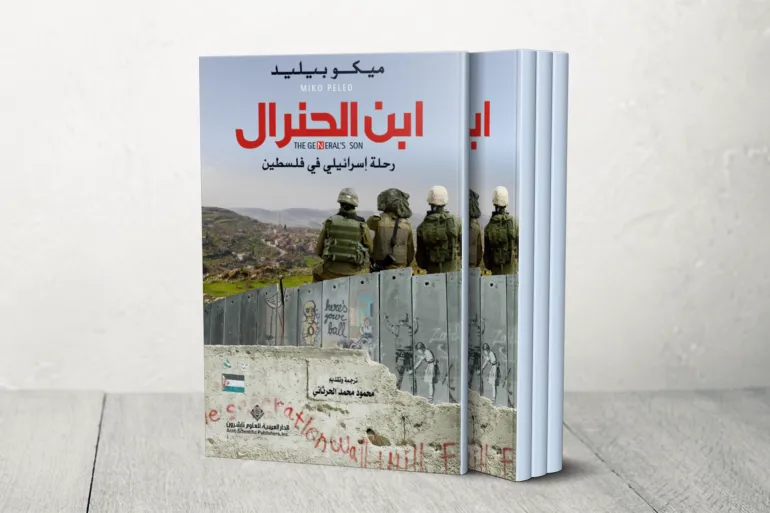
“The General’s Son: Journey of an Israeli in Palestine” by Miko Peled provides a powerful personal testimony. The son of an Israeli general recounts how direct exposure to life under occupation led him to reject Zionist narratives, confront the injustices committed against Palestinians, and adopt a stance advocating equality and justice.
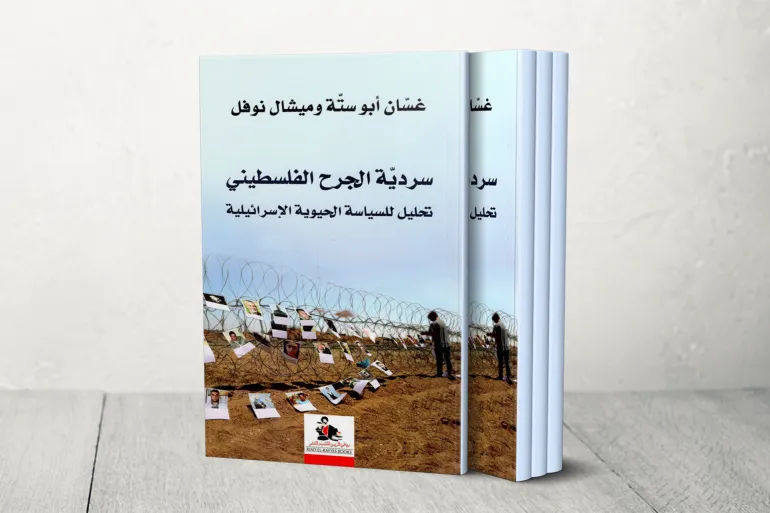
Finally, Michel Naufal’s “The Palestinian Wound Narrative: An Analysis of Israeli Biopolitics”, based on long conversations with surgeon Ghassan Abu Sitta, explores how the Israeli state has used biopolitical tools targeting Palestinian bodies, demography, and space to enforce control, from the 1948 expulsions to repeated wars on Gaza. The book situates ongoing violence within a wider settler-colonial project aimed at erasing Palestinian presence.
Together, these six books form an essential reading list for anyone seeking a deeper, historically grounded understanding of the Zionist project, the Palestinian catastrophe, and the enduring structures of occupation and resistance.
Source: Al Jazeera